Blue River Wastewater Treatment Plant Biosolids Facility
Project Overview
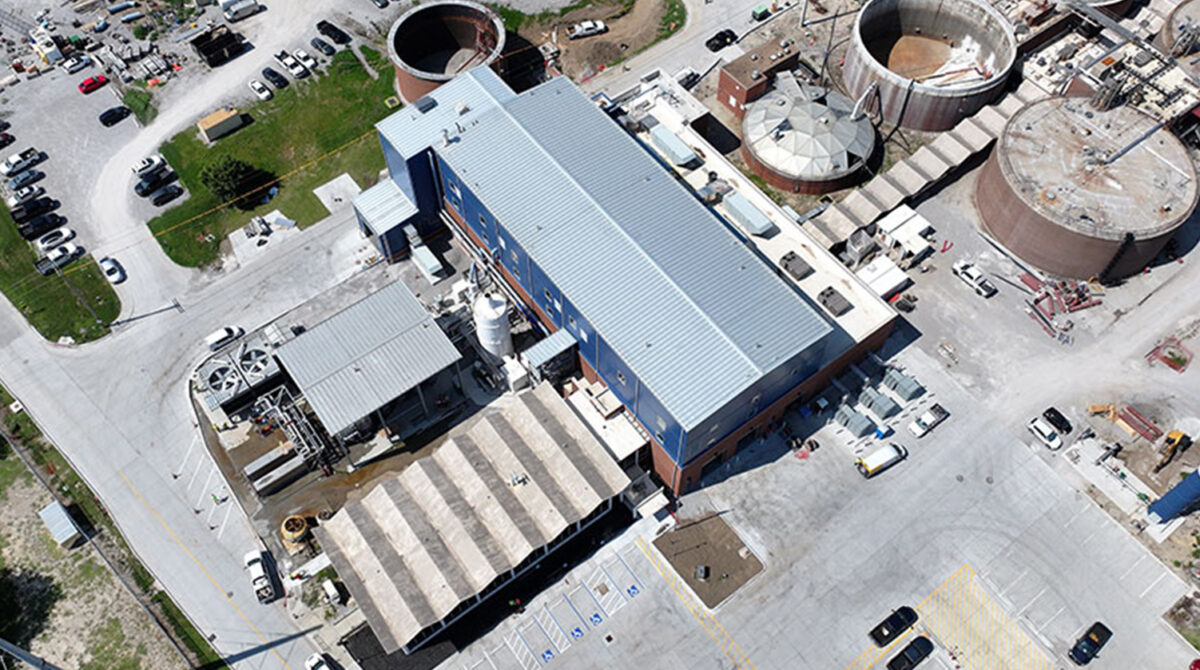
Kansas City’s Blue River Wastewater Treatment Plant (WWTP), the largest in the region, faced a critical challenge—outdated multi-hearth incinerators were inefficient, costly, and environmentally unsustainable. To align with the City’s long-term sustainability goals and modernize biosolids management, KC Water needed a solution that not only replaced incineration but transformed biosolids into a valuable resource.
To address this need, the City selected Carollo as the Owner’s Advisor for a $150-million design-build project that will implement one of the first Thermal Hydrolysis Process (THP) systems in the United States and the first in the Midwest. The new Blue River Biosolids Facility will treat 94 dry tons per day of solids from three area WWTPs, converting them into Class A biosolids suitable for agricultural and residential land application. The system also maximizes anaerobic digestion, producing additional biogas that may be sold for electricity, heating, or injected into natural gas pipelines—transforming waste into renewable energy.
Carollo’s advisory role spanned from early planning and conceptual design through construction management and commissioning. Using Carollo’s CAMP® process, the team accelerated preliminary design within a week through focused collaboration with City staff, subconsultants, and plant operators. Carollo also led an international fact-finding tour, guiding City staff to 10 operational THP facilities in Europe to build confidence, gather lessons learned, and foster long-term operational success.
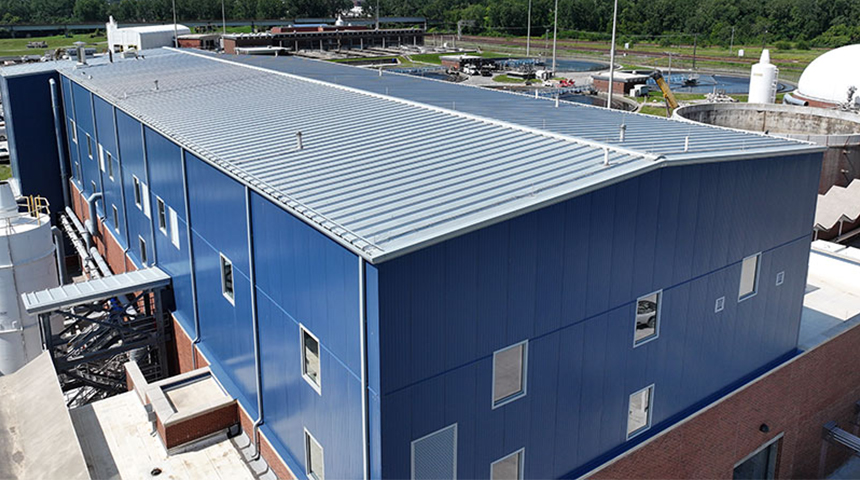
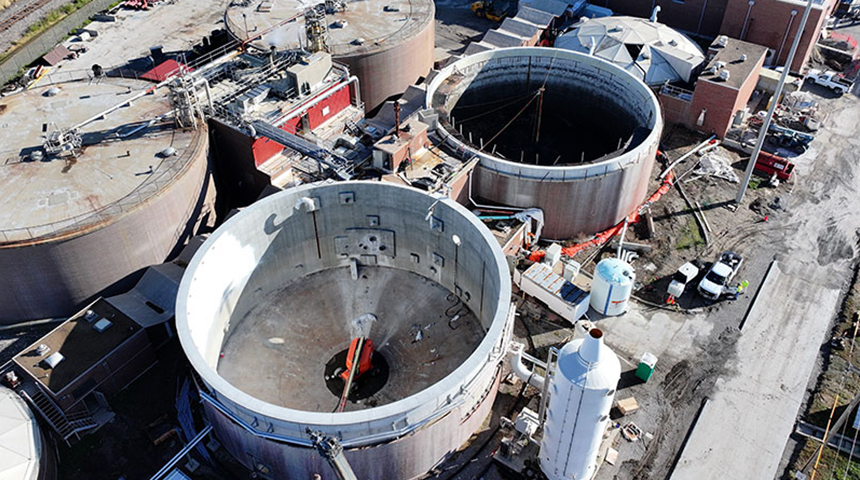
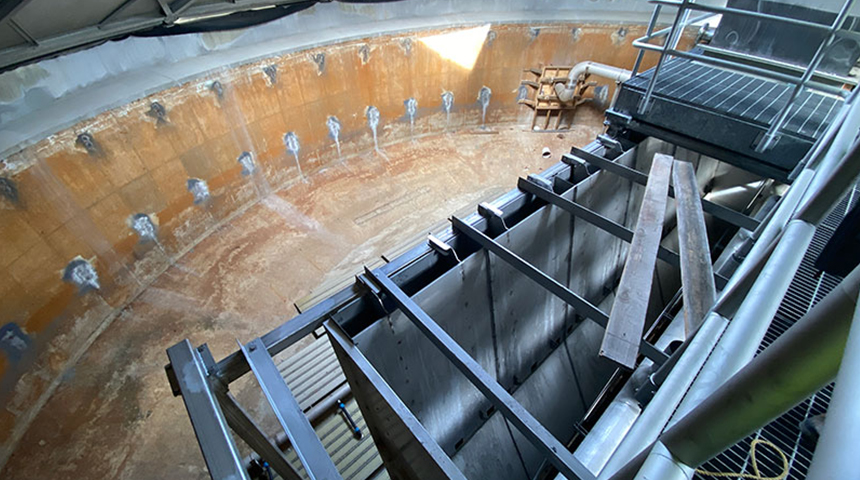
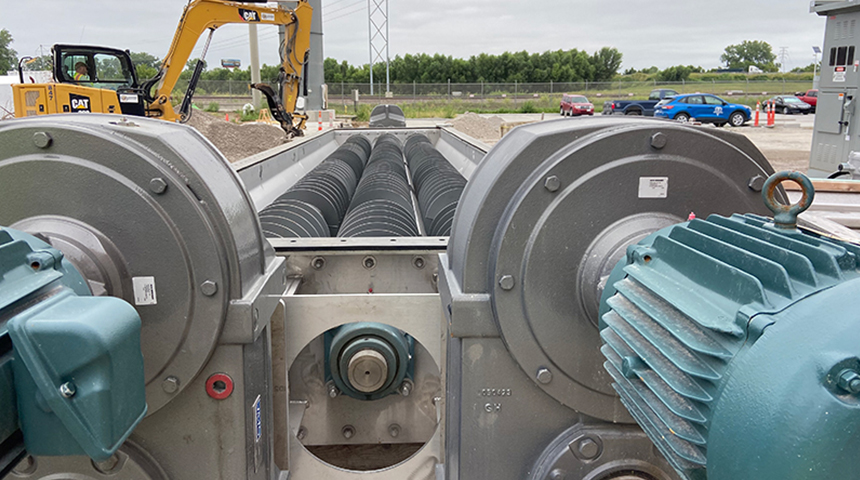
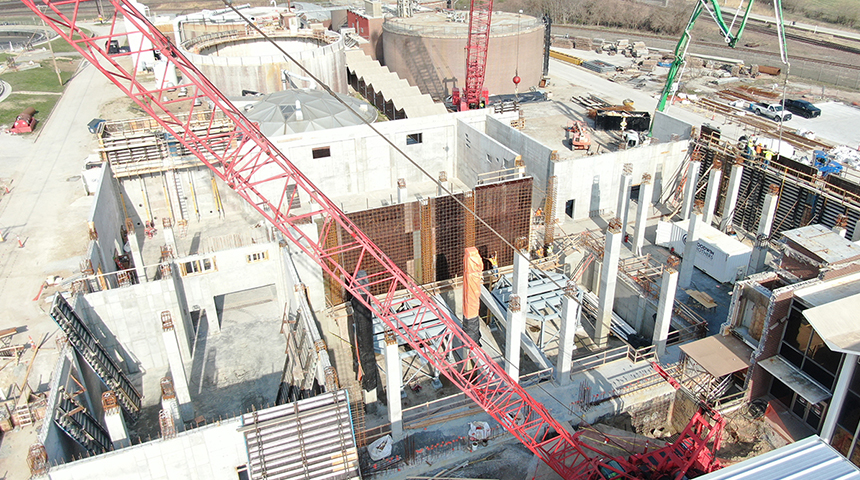
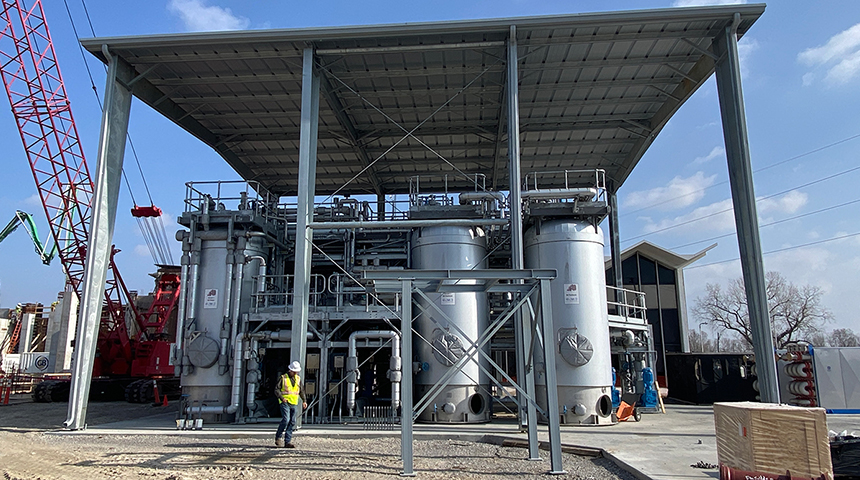
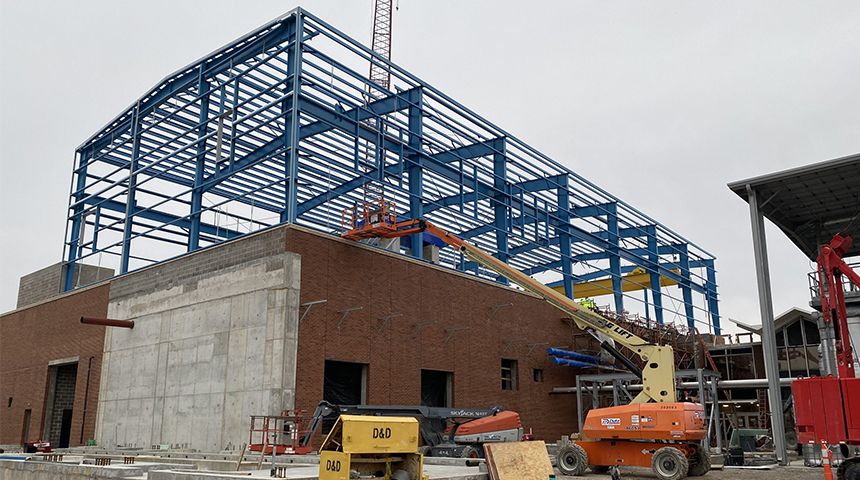
The project includes several major upgrades to support THP implementation, including replacement of belt filter presses with centrifuges, anaerobic digester rehabilitation, new sludge screening systems, and a consolidated biosolids and administrative building. A sidestream deammonification process (Demon®) will remove ammonia from the high-strength sidestream before it re-enters the main process, improving nutrient management efficiency. Biogas from the anaerobic digesters will be captured and treated onsite by a private partner for beneficial reuse for natural gas customers.
This innovative facility will enable Kansas City to eliminate landfilling and incineration, reduce greenhouse gas emissions, and recover valuable resources, setting a regional precedent for sustainable biosolids management through advanced technologies and public-private collaboration.
Results and Highlights

The new THP facility will produce 94 dry tons per day of Class A biosolids, eliminating the need for incineration or landfilling.
The upgraded anaerobic digestion process will generate renewable biogas that can be used for power, heating, or sold to gas utilities.
The project is expected to reduce greenhouse gas emissions and support the City’s long-term sustainability and climate goals.