Caroline Burger
Chief Stormwater Technologist

October 9, 2025




The public tends to forget about underground infrastructure until systems are stressed or capacity is exceeded and it doesn’t perform as intended. In combined sewer systems, sometimes this results in localized flooding, which can pose hazards to human health, water quality, and the environment, and create financial burdens for utilities.
Implementing the right abatement strategy depends on the cause of the flooding, and the size, type, and location of the sewer system. Solutions range from reducing infiltration and inflow through sewer rehabilitation or separation, to storing excess flow, expanding treatment capacity, or using green infrastructure to reduce the burden on the sewer system.
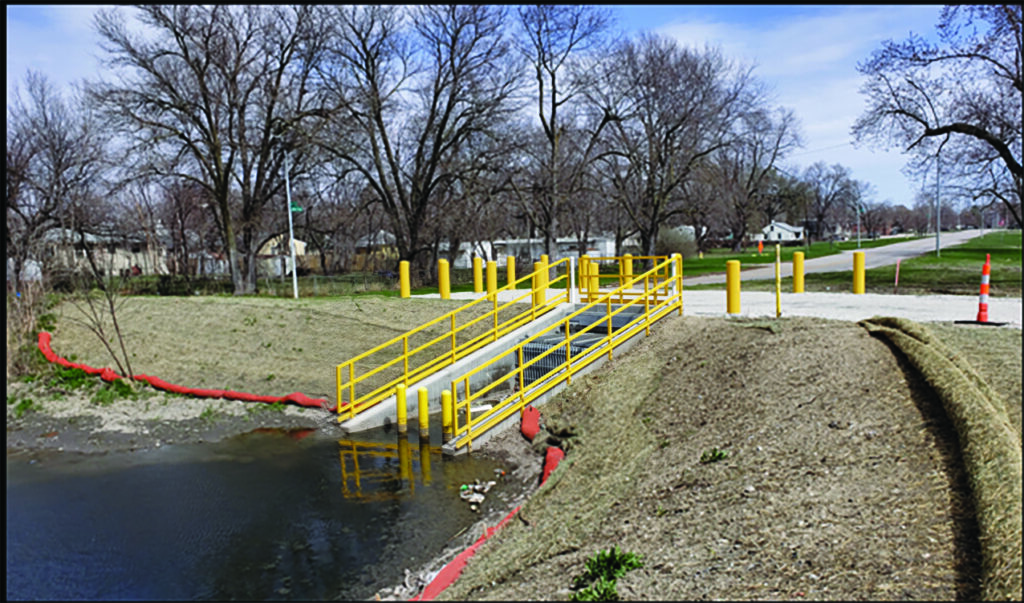
Omaha is one of more than 800 communities in the US that have combined sewer systems. In a combined system, stormwater and sanitary sewage flow through the same pipeline. During periods of dry weather, all flows are conveyed to the treatment plant, while during wet weather events, excess flows are discharged through combined sewer overflow (CSO) points to local waterways. Increased development and changing rainfall patterns can further stress communities served by combined systems, resulting in more frequent overflows, CSO discharges, or other issues.
In 2007, Omaha and the Nebraska Department of Environmental Quality—now the Nebraska Department of Environment and Energy—entered an Administrative Consent Order requiring compliance with the Clean Water Act and the EPA’s Combined Sewer Overflow Control Policy. The order mandates that the city capture, treat, or eliminate at least 85 percent of the average annual volume of CSOs being discharged by 2037 to improve local water quality.
To complement its CSO Program, Omaha is also implementing a Renovation of Combined Sewers (RNC) Program designed to minimize rain-induced sewer backups and reduce flooding of homes and businesses in areas not included in the CSO Program.
Although separate, the two programs are closely coordinated and benefit from common procedures, plans, standards, and guidance documents. Their implementation has reduced negative impacts on communities, improved local water quality, and helped Omaha achieve a greater return on its sewer improvement investments.
Carollo recently delivered Omaha’s 18th and Fort Sewer Improvements Project. This RNC project addressed historical flooding near the intersection of 18th and Fort Streets and two nearby screening structures.
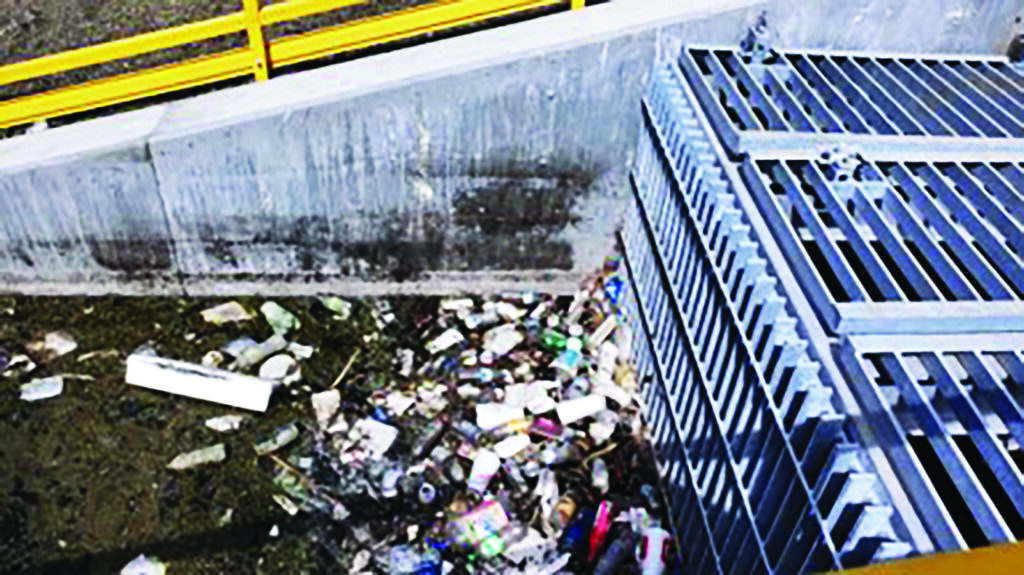
Flooding along Fort Street was caused by reverse flow from the surcharged 72-inch North Interceptor. During storm events, reverse flow would overwhelm the 36-inch combined sewer beneath Fort Street and flood manholes in the area. Flooding near the two screening structures occurred when they became clogged with debris, affecting local roadways and parks.
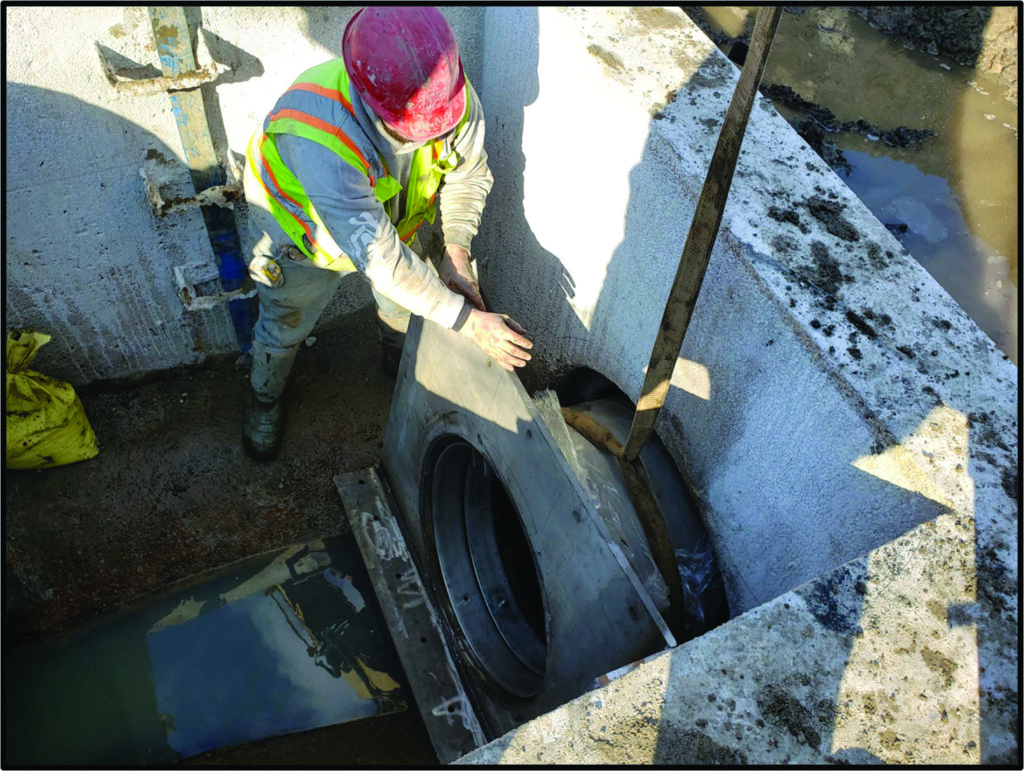
Project staff employed complementary strategies to minimize flooding in these areas. This included hydraulic isolation, sewer separation, and replacing the two existing stormwater screening structures to enhance functionality and facilitate ongoing maintenance.
Hydraulic isolation protected the 36-inch sewer from downstream surcharging. This included an in-line check valve at 17th and Fort Street near the connection to the 72-inch North Interceptor.
Upstream of the new check valve, sewer separation improvements minimized peak flows conveyed to the 36-inch sewer. If the flows were not separated, localized flooding could still occur due to the minimal available storage upstream of the check valve. Sewer separation included constructing a new dedicated stormwater system to convey separated flows away from the check valve to nearby Nebraska Department of Transportation (NDOT) storm sewers.
Screening improvements replaced the Carter Lake detention pond outlet structure in place and strategically relocated the screening structure downstream closer to the lake. Improvements benefited from maintenance staff expertise, with operations personnel providing critical input on screen opening locations and size, access routes for cleaning equipment, and safety protocols for routine maintenance activities.
Since completion of this project, surcharging and flooding that previously plagued the community have been eliminated. Residents no longer face the disruption, health risks, and costly cleanup associated with basement backups and street flooding during storm events. The infrastructure improvements have restored public confidence in the system’s reliability. And, except for routine maintenance, underground infrastructure remains where intended—out of the public’s sight and mind.