Water Distribution System Nitrification Evaluation
Project Overview
The City of Oklahoma City operates and maintains more than 3,400 miles of waterlines, delivering an average of 110 mgd to over 630,000 citizens and wholesale customers. The City blends treated surface water from different sources in its distribution system, and the city staff identified areas of the system which exhibited symptoms of nitrification. To address nitrification issues, the Oklahoma City Water Utilities Trust asked Carollo to prepare a nitrification action plan (NAP). The purpose of a NAP is to outline the procedures for detecting, monitoring, and responding to nitrification episodes, with the overall goal of maintaining a consistent target water quality throughout the distribution system.
The preparation of the NAP involved examination of water quality data collected in the distribution system for 12 months and preparation of a tiered-level action plan based on measured concentrations of indicator parameters, such as monochloramine, free ammonia, nitrite, ATP, and possibly others. In addition to nitrification indicators, corrosivity indicators, red water events, and corrosion control inhibitors were evaluated. The corrosivity monitoring and analysis were integrated with the nitrification monitoring. Corrosivity was assessed based on its impact on nitrification. Appropriate triggers and responses were recommended in the NAP and comprehensive training for engineering, water treatment and line maintenance operations staff were conducted.
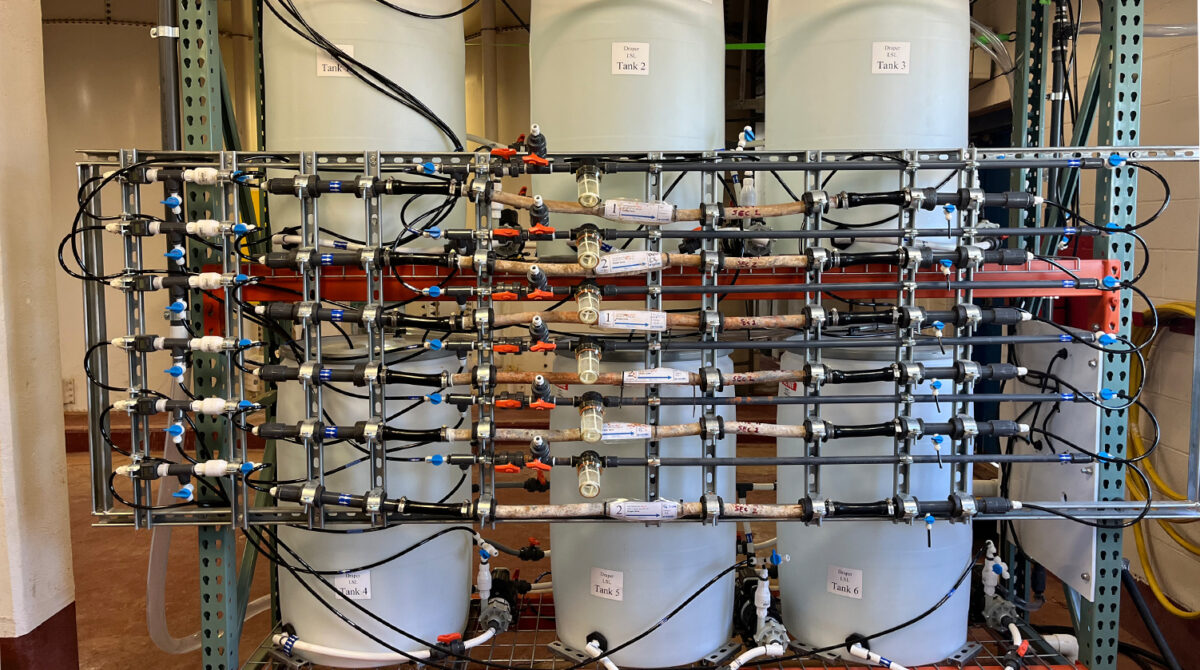
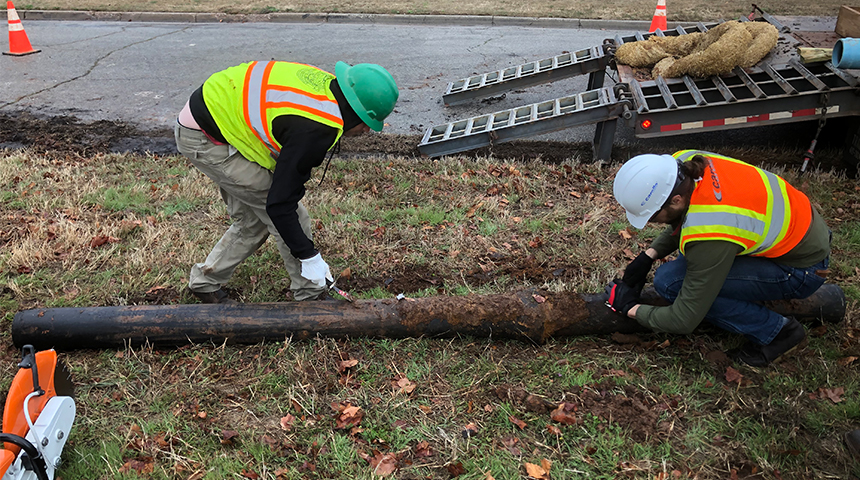
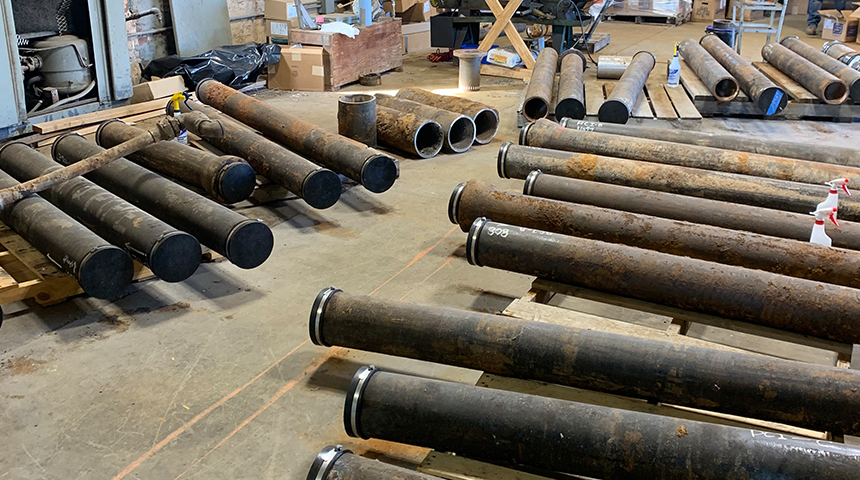
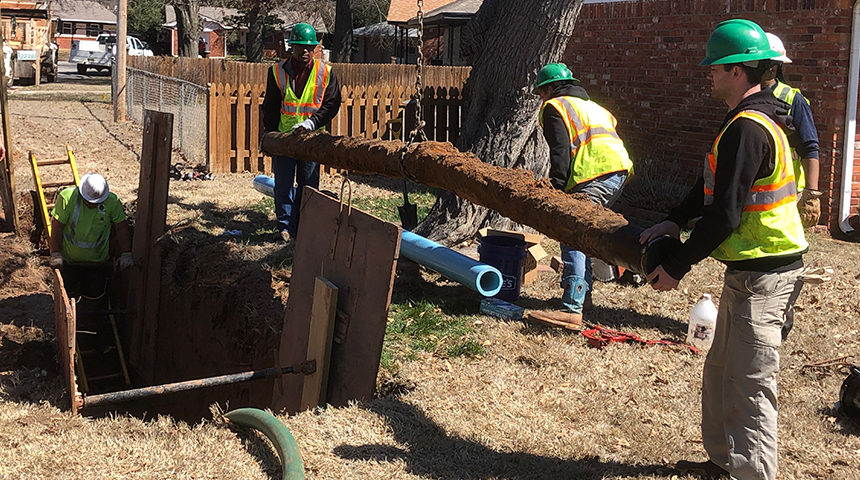
The project was expanded beyond the NAP to provide a comprehensive study of the corrosion control methods and chemicals utilized. This phase of the project included bench- and full-scale pipe loop testing, cast iron distribution pipes, and lead service lines harvested from the City’s water system to test current and proposed corrosion control approaches. The City provided extensive support throughout the pipe harvesting, public communications, and water quality sampling phases. The goal of the project was to locate and address the most susceptible infrastructure where nitrification and water discoloration issues would have the most effect on distribution water quality.
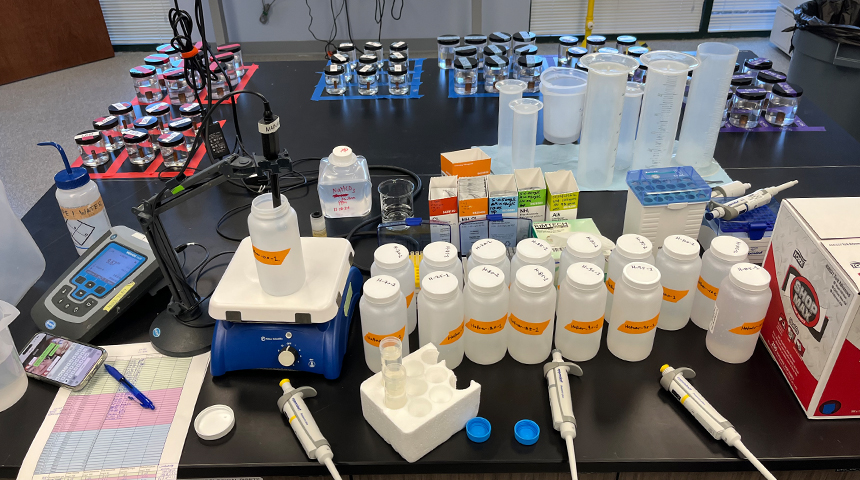
Prior to harvesting the lead and galvanized service lines, Carollo and City staff conducted sequential sampling inside of homes where the services lines would be removed. A series of 30 samples were collected from homes where the water had remained stagnant for at least six hours and included various velocities. The sampling corroborated the City’s lead and copper sampling results from the past 25 years, which showed that their corrosion control program is effective, even in areas where actual lead service lines are serving a residence.
The study included evaluation of numerous alternative corrosion control methods, including various chemicals with and without pH and alkalinity adjustments. Prior to the testing, each pipe in every pipe loop or rig was conditioned to ensure that the pipe was indicative of its condition in the field. Extensive sampling was conducted during the conditioning and testing phases to monitor any differences caused by changes in the testing protocols.
The final recommendations included utilizing the City’s current corrosion control chemical (zinc orthophosphate) and optimized treated pH goals.
Results and Highlights

Developed a detailed Nitrification Action Plan to detect, monitor, and respond to nitrification events.
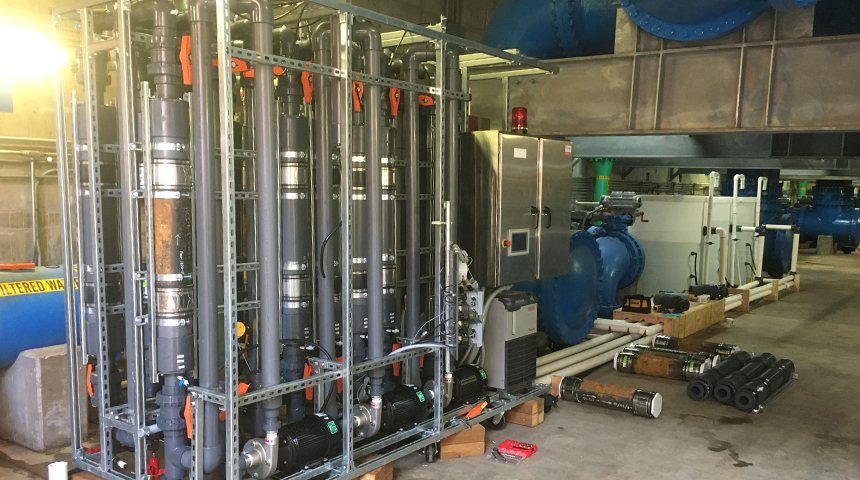
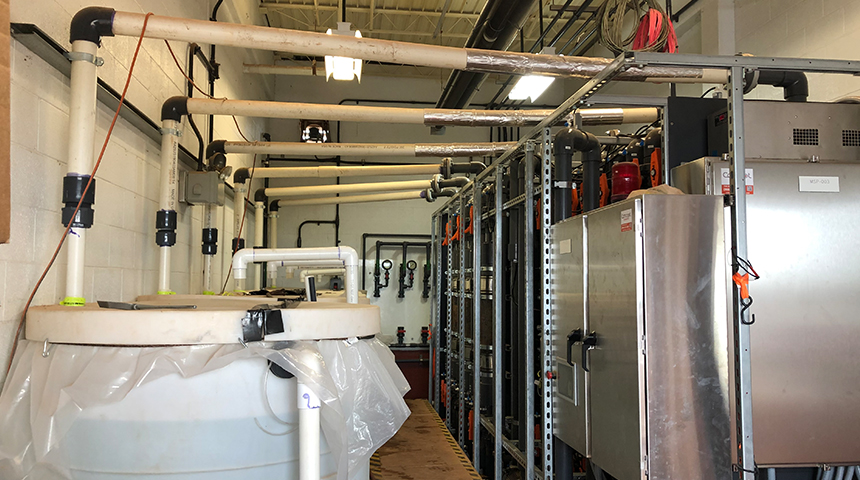
Built and operated six pipe loop rigs at two sites using Water ARC® lab and field services.
Used harvested legacy pipes to support statistically robust corrosion control testing.