Resilience and Sustainability
Across the country, water and wastewater utilities are under growing pressure to deliver reliable service in the face of complex, evolving risks. Aging infrastructure, climate change, population growth, cybersecurity threats, and tightening regulations all create challenges that can lead to service disruptions, increased costs, and community impacts. At the same time, utilities are being called upon to lead with more sustainable, future-focused approaches. Carollo partners with clients to build resilience and embed sustainability into every phase of their systems, helping them reduce vulnerabilities, improve recovery, and deliver long-term value to the communities they serve.

- Resilience Management
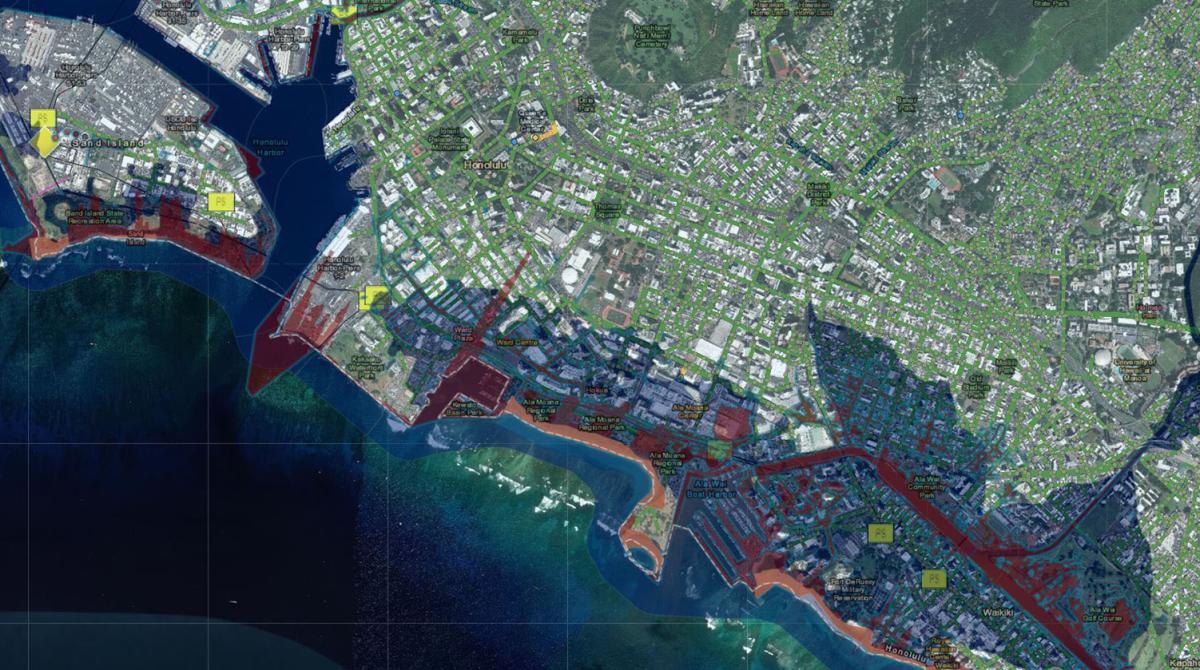
- Climate adaptation planning and data insights
- Risk and vulnerability assessments
- Sustainability Assessments
- Decision support for sustainable design
- Environmental justice assessments
- Energy and GHG/Emissions Management
- Climate action planning
- Air quality and odor assessments
- Operational Resilience
- Emergency and continuity planning
- Security and cybersecurity planning

Plan to be prepared
Has your utility assessed its vulnerability to these existing and emerging threats? Do you have a plan in place to address them?
Climate events

Cyber and malevolent attacks

Drinking water contamination

Level of service goals

Supply chain issues and staffing shortages

Aged or failing infrastructure

Asset loss and service disruptions

Release of hazardous material
Building Resilient and Sustainable Water Systems
Utilities today must balance long-term sustainability with day-to-day reliability in the face of mounting risks. Carollo helps clients proactively prepare for climate impacts, system vulnerabilities, and regulatory change through integrated strategies that strengthen resilience and promote sustainability. Our industry-leading experts apply a water-focused lens to deliver solutions that prioritize efficiency, continuity of service, and environmental responsibility. We use proven frameworks to streamline operations, safeguard assets, and support emergency response. By embedding sustainability and resilience into every stage of utility planning, we help our clients protect people, resources, and infrastructure for the future.

America’s Water Infrastructure Act
The America’s Water Infrastructure Act (AWIA) is the most holistic risk management/emergency response planning undertaking the water industry has seen to date. While previous vulnerability assessments primarily focused on a terrorism threat basis, the AWIA includes a wide range of malevolent threats, natural hazards, contamination, and cyber threats, as well as proximity and dependency hazards.
AWIA is currently required for only drinking water systems. However, future updates are likely to include wastewater and reclaimed water utilities.

Planning and Certification
Any utility serving more than 3,300 people must conduct a risk and resilience assessment (RRA), develop an emergency response plan (ERP), and submit certification of completion of both to the EPA. Recertification is required every five years.
Maximizing compliance, minimizing risks
Carollo has guided more than 100 security and resilience planning, design, construction, and commissioning projects since 2003, and has consulted on many AWIA-specific projects. We work closely with AWWA and EPA to advance best practices, enhance evaluation tools and techniques, and support the development of holistic risk management and resilience practices throughout the industry.
From identification to action
You’ve completed your RRA and ERP – now what? Carollo has helped numerous clients mitigate risks through the development of implementation plans, detailed Standard Operating Procedures, and training activities/exercises designed to validate emergency planning approaches and systems.
We will work with you to prioritize and implement cost-effective, sustainable solutions and training exercises that mitigate your risks, increase resilience, and are integrated with your other operational and financial drivers.